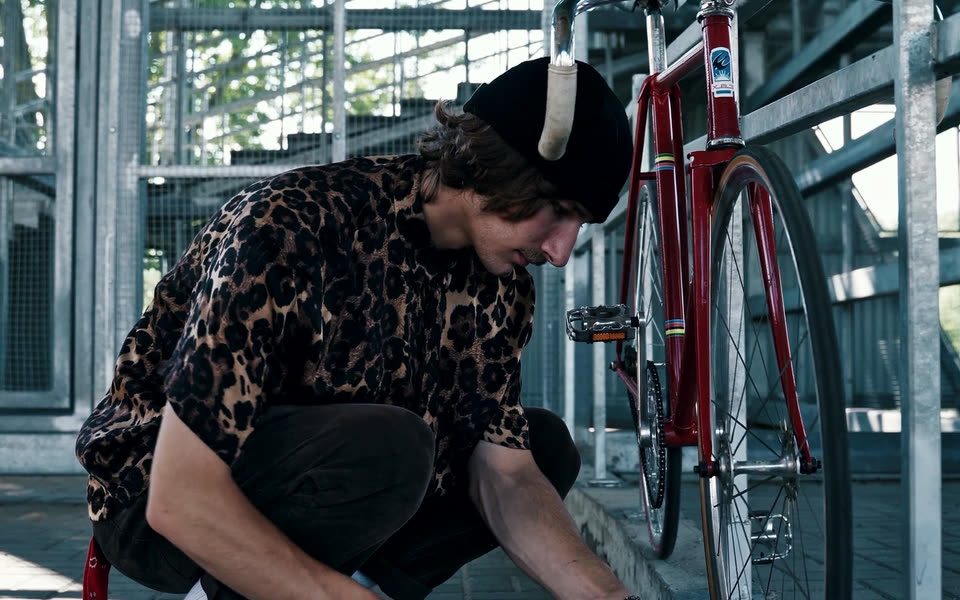
Compatibility starts with the actual bicycle
Two bicycles can look similar and still differ in the details that matter to an accessory. Before booking a HOOK demonstration, collect the information that identifies yours. A model name is useful; a clear view of the bicycle is better still.
Start with the brand, model and approximate year. If you have changed the wheels, tyres or fork, mention those changes rather than relying only on the original specification. Tell the team about mudguards, racks and any other fitted accessories.
Photograph the details
Take a side-on photograph of the complete bicycle and closer views of both wheels. Include the tyre-size marking if it is readable. These pictures can help the team prepare, but they do not replace checking fitment on the bicycle itself.
Avoid removing components or making changes just to prepare for a demo. Ask what the team needs to see first. If the bicycle needs maintenance, have that addressed separately before a test ride.
Cycling imagery for illustration.
Ask for a complete demonstration
Watch how the unit is positioned and secured, and ask the team to explain the checks needed before riding. Ask whether your usual accessories can remain in place and what changes, if any, would be required.
Try the setup on an agreed route only once the demonstrator is satisfied with the fit. A broad compatibility claim is a starting point for the conversation, not a substitute for confirming your particular bicycle.
Cycling imagery for illustration.
Keep the answer specific
Before reserving, ask for the compatibility outcome for your exact setup. If something still needs checking, keep that question open until it is resolved.