A range figure needs context
A single distance is convenient on a product page. Your ride is a combination of terrain, stops, riding style and assistance settings. When comparing a quoted range with your plans, ask which conditions the number describes.
HOOK's published figures are pre-production guidance. Before ordering, confirm the final specification and ask how the team expects your route to compare with the conditions used for testing.
Describe the journey clearly
Share the approximate distance, the gradients you encounter and how often you stop. Mention what you normally carry and whether the journey is one way or a return trip. These details help the team give a more useful explanation.
Ask whether the quoted figure is a typical result, a test result or an upper estimate. Also ask what assistance level was used and how the bicycle was configured. The answer should describe the test, not just repeat the headline.
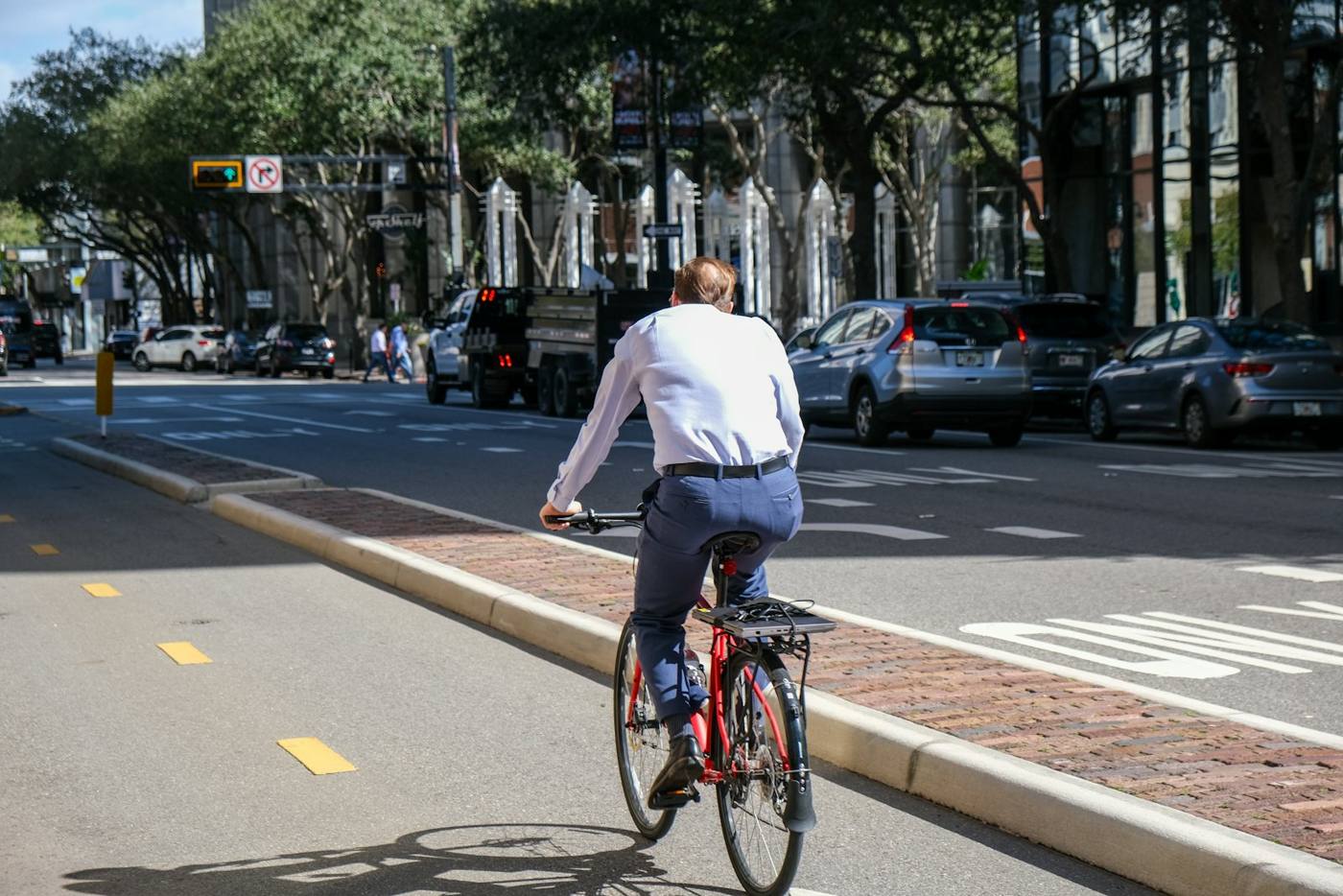
Cycling imagery for illustration.
Discuss the routine around charging
Think about when and where charging would happen in your day. Ask the team about the supplied charger, the final charging instructions and the information available on remaining charge.
Do not assume a proposed app feature is already available. Ask to see the battery information and controls that are actually present on the demo setup, and confirm which features will ship.
Cycling imagery for illustration.
Keep an ordinary bicycle journey in mind
During the demo, ask what riding feels like with assistance switched off. Knowing both modes gives you a fuller understanding of the system and avoids treating a distance estimate as a guarantee.
See current product information and bring your route questions to a demo.